
This Black History Month, Touchstone have been interviewing prominent figures in our local Black communities to reflect this year’s theme of Honouring our Communities. First up is local poet, publisher, and writer Patricia Jones. Read on to find out more about Patricia’s work and how she thinks mental health services, funders and commissioners can better support Black communities.
1. Tell me about your work, when it started and why?
I founded Community Highlights Magazine in October 1995, and for the past 31 years it has been dedicated to celebrating and promoting the people, businesses, and talent within our communities.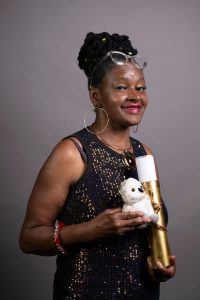
The magazine began from my own experience as a poet. At the time, I was submitting my work to various publications but often faced rejection. Rather than giving up, I decided to create my own platform, becoming both an editor and publisher. I wanted to create opportunities where they did not exist for me and ensure that the stories, talents, and successes within our communities had a platform where they could be celebrated and preserved for future generations.
The first editions were produced in black and white, and one of the first organisations we featured was Frontline Construction Company (see our upcoming interview with Claude Hendrickson for more information on this pioneering self-build project).
What started as a hobby quickly grew into something much bigger. With support from the Chapeltown Business Centre Enterprise Scheme, including some initial funding, I was able to develop the publication further. Businesses began contacting me to be featured, and talented individuals from across the community also wanted a platform to share their stories, achievements, and creative work.
Today, the magazine is published quarterly and distributed free of charge. We produce special seasonal editions around key events and celebrations, including Christmas, Valentine’s Day, and Carnival. While the media landscape has become more competitive and advertising is harder to secure than it once was, we have continued to adapt by offering digital copies alongside our printed editions.
Alongside publishing the magazine, I am also a performance poet and rapper. Through both my creative work and the magazine, my goal has always been to give a voice to our communities, celebrate local achievements, and create opportunities for people to be seen, heard, and recognised.
2. In what ways do you think your work is making a difference in the community – to people’s wellbeing and in other ways?
I believe Community Highlights Magazine makes a positive difference by giving people a platform to be seen, recognised, and celebrated. Over the years, the magazine has helped connect people with employment opportunities, volunteering roles, and training courses that have supported their personal and professional development.
A key part of the magazine’s work is highlighting local talent, community champions, and positive role models in Chapeltown. By sharing their stories and achievements, we inspire others and show what is possible within our community.
The magazine also helps build a sense of pride and belonging. Too often, people only hear negative stories about our area through the media. We work to balance that narrative by showcasing the successes, creativity, resilience, and achievements of local people and organisations. Readers regularly tell us they enjoy seeing positive news that reflects the true spirit of the community.
In addition, the magazine has supported local businesses by promoting new ventures, raising awareness of community services, and helping organisations connect with local residents. By bringing people, businesses, and community groups together, we help strengthen community networks and encourage positive growth within the area.
Ultimately, my goal has always been to celebrate our communities, give people a voice, and create opportunities that help individuals and organisations thrive.
-
What do you think wellbeing and mental health services need to understand better and do differently to genuinely support Black communities?
I believe mental health and wellbeing services need to be more visible and proactive in reaching out to Black communities, rather than waiting for people to come to them. Mental health can still be a taboo subject for many people, which means some individuals may struggle in silence or feel uncomfortable seeking support.
Services should spend more time engaging directly with communities through local events, workshops, information sessions, and community outreach activities, as well as providing information through leaflets, community centres, faith groups, and trusted local organisations. All of this kind of work can help raise awareness and encourage people to access support when they need it.
It is also important to create welcoming spaces where people feel comfortable connecting with others. Being around people who share similar experiences can help reduce isolation and encourage open conversations about mental health and wellbeing.
Most importantly, services need to reflect the communities they serve. When people see staff, volunteers, and community representatives who understand their culture, experiences, and backgrounds, it helps to build trust and confidence in the support available.
Ultimately, genuine support comes from listening to communities, involving them in shaping services, and creating approaches that are culturally relevant, accessible, and rooted in real community engagement.
-
How can funders and commissioners better support Black communities’ health and wellbeing in Leeds and beyond?
Funders and commissioners need to spend more time listening to communities and asking people directly what they want and need. Too often, services are designed without enough input from the people they are intended to support. Gathering feedback and involving community members in decision-making can help ensure that funding is invested in activities that people will actually use and benefit from.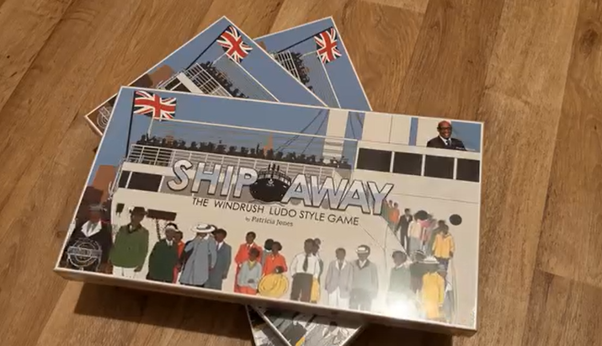
I would like to see more community-based events and initiatives that bring people together in positive, engaging ways. Not everyone will connect with traditional health or wellbeing services, so it is important to explore different approaches and find creative ways to encourage participation and social connection.
For example, I developed a Windrush Ludo Board Game to help people learn about the history and legacy of the Windrush generation in a fun and interactive way. The game includes quiz cards and educational content, creating opportunities for learning, conversation, and community engagement. The game was launched with the support of Shaun Wallace, best known as one of the Chasers on The Chase.
The story behind the project shows what can happen when people are given encouragement and opportunities. After creating a prototype, I managed to get a copy to Shaun Wallace at a business expo in Huddersfield. He later contacted me through social media, which came as a complete surprise. Through his support and connections, the game secured investment and reached a wider audience. I am now developing a children’s version to make this important history accessible to younger generations.
Projects like this demonstrate that health and wellbeing support does not always have to look like a traditional service. Community activities, education, culture, creativity, and shared experiences can all play an important role in improving wellbeing and strengthening connections between people.
Funders and commissioners should be willing to invest in innovative, community-led ideas, because local people often know best what will engage their communities. By supporting grassroots projects and working alongside residents, they can create services and opportunities that are more effective, inclusive, and meaningful. My next ambition is to develop a podcast, creating another platform for sharing stories, celebrating community voices, and inspiring future generations.
-
What are you most proud of in your local community?
What makes me most proud of Chapeltown is the incredible talent, creativity, and resilience of the people who live here. Over the years, through Community Highlights Magazine, I have had the privilege of meeting and promoting local artists, entrepreneurs, community leaders, and young people who are making a positive difference. There is so much talent in our community, and I am proud to help showcase and celebrate it.
On a personal level, I am also proud of the success of my Windrush Ludo Game and of being able to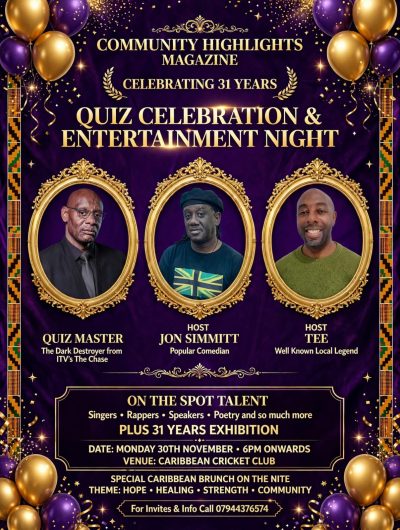 gain the support of Shaun Wallace from The Chase. What started as an idea to help people learn about Windrush history in a fun and engaging way has grown into a project that has reached communities across the country. Having someone of Shaun’s profile support the project was a proud moment and demonstrated what can happen when you believe in an idea and persevere. I have even written and performed a rap about Shaun and his involvement with the project. We are hosting an upcoming quiz and celebration with Shaun which you can find out more about by contacting us for invites and info on 07944 376 574.
I am also proud of my work as a poet and performer. Poetry has given me a platform to share stories, celebrate culture, and bring people together. This Black History Month, I will be performing poetry at the Cricket Club, continuing my commitment to using creativity to educate, inspire, and connect with the community.
Above all, I am proud of the strong community spirit in Chapeltown. Despite the challenges that communities can face, people continue to support one another, celebrate their heritage, and create opportunities for future generations. That sense of pride, culture, and togetherness is what makes the community so special.
-
Anything else you would like to mention
I am incredibly proud that Community Highlights Magazine has remained a positive voice for our community for more than three decades. Throughout that time, my mission has been to celebrate people, businesses, organisations, and creative talent that may not always receive the recognition they deserve.
This year’s Black History Month theme, “Honouring Our Communities”, strongly reflects the work I have been doing since 1995. The magazine has always been about documenting our stories, preserving our history, and showcasing the achievements and contributions of local people for future generations.
As a publisher, performance poet, and rapper, I believe creativity has the power to bring people together, inspire confidence, and create opportunities. I hope to continue using both the magazine and the arts to support, encourage, and uplift our communities for many years to come.
You can read Patricia’s magazine – Community Highlights here.